As the new year arrives, spring fills the land. The Spring Festival is the most grand and profoundly meaningful festival in Chinese culture. It is not merely a festival; it also embodies people's yearning for reunion, happiness, and a better life. It is the deepest emotional attachment engraved in people's hearts.
The Spring Festival is also the busiest time of the year in the Taoist temple. On the 23rd of January, the Kitchen God is worshipped and sent away. On the 25th, the Jade Emperor is welcomed. On New Year's Eve, all the gods are welcomed. On the 5th of January, the God of Wealth is welcomed. On the 8th of January, the Festival of Aligning Stars is held to worship the stars and pay homage to the Great Year. On the 9th of January, the Jade Emperor's Birthday is celebrated and the Jade Emperor is worshipped. On the 15th of January, the Lantern Festival is held and the Heavenly Official's Birthday is granted blessings to the people. During the important Taoist festivals during the Spring Festival, the Taoist temple will hold corresponding activities.
In the Year of Horse of the Year of the Horse, let's turn our gaze towards the distant horizon, seek out the unique "yearly atmosphere" beyond the mountains and seas, and observe how the Taoists in other countries, in their own ways, experience the distinctive Chinese New Year within the festive atmosphere of the Spring Festival.
Best wishes for good fortune and auspiciousness; the charm endures.
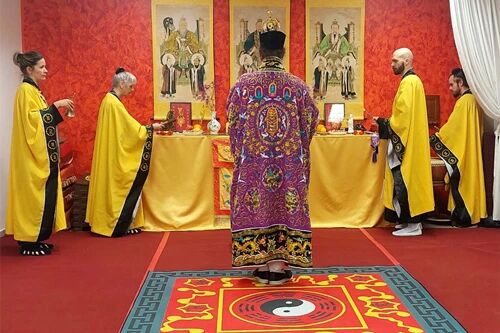
The Mexican Taoism Association held a variety of blessing activities during the Spring Festival. The audience at the event actively participated, experiencing the unique charm of Taoist culture up close.
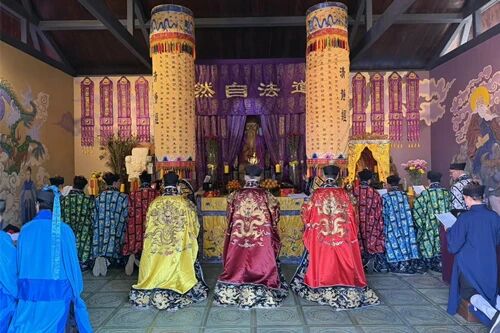
The Taoist Association of Slovenia also held a blessing ceremony during the Spring Festival. The believers present participated in the blessing activities and, at the same time, listened to the Taoist master's explanations of Taoist rituals, deeply experiencing the profound connotation of Taoist culture.
Experience culture, understand traditions
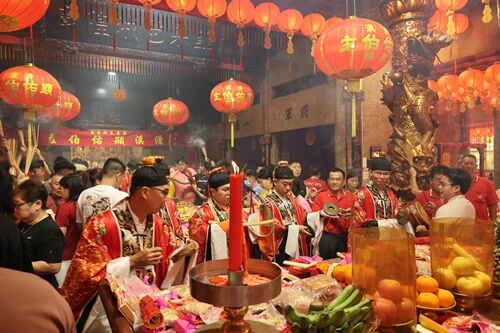
During the Spring Festival, the Yee Chien Ba City God Temple in Singapore held a variety of festive activities, integrating Taoist cultural events with traditional New Year customs. While people went to the Taoist temple to pray, they also watched wonderful artistic performances and interacted with the performance team, deeply experiencing the intense festive atmosphere.
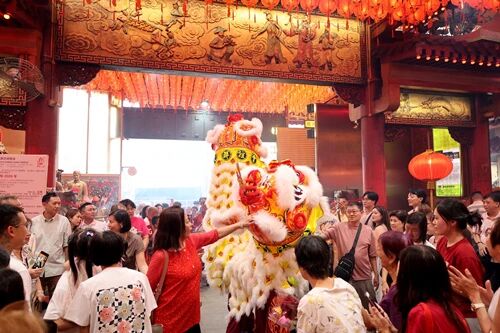
The prayer and blessing activities in Indonesia are also quite distinctive. During the Spring Festival, many Indonesian families will offer sacrifices to their ancestors at home, or go to temples to pray for blessings, participate in the Spring Festival celebrations, and experience the festive atmosphere and cultural charm.
The Portuguese Taoism Association held an exchange event themed on Taoist culture during the Spring Festival. They explained the philosophical concepts such as yin-yang, dialectics, and harmony in the "Yijing" to the local people, and introduced the Taoist ideas of "following nature" and "unity of heaven and man", as well as their health preservation wisdom. The event attracted many local Portuguese people to participate. They interacted enthusiastically and experienced a unique Chinese New Year culture.
Fireworks follow customs, and the year brings joy. As a traditional festival listed in the UNESCO Representative List of the Intangible Cultural Heritage of Humanity, the Spring Festival, with its profound cultural heritage and unique folk charm, attracts people from all over the world.
Tradition and modernity interweave, culture and folk customs blend together. Taoism, as a native religion of our country, has deeply integrated with the Spring Festival cultural customs during its historical development process, adding a cultural tint to this traditional festival. In the festive atmosphere of the Spring Festival, Taoist culture also transcends mountains and seas, allowing the Taoist communities and enthusiasts of Taoist culture in various places to experience a different "yearning for the season".